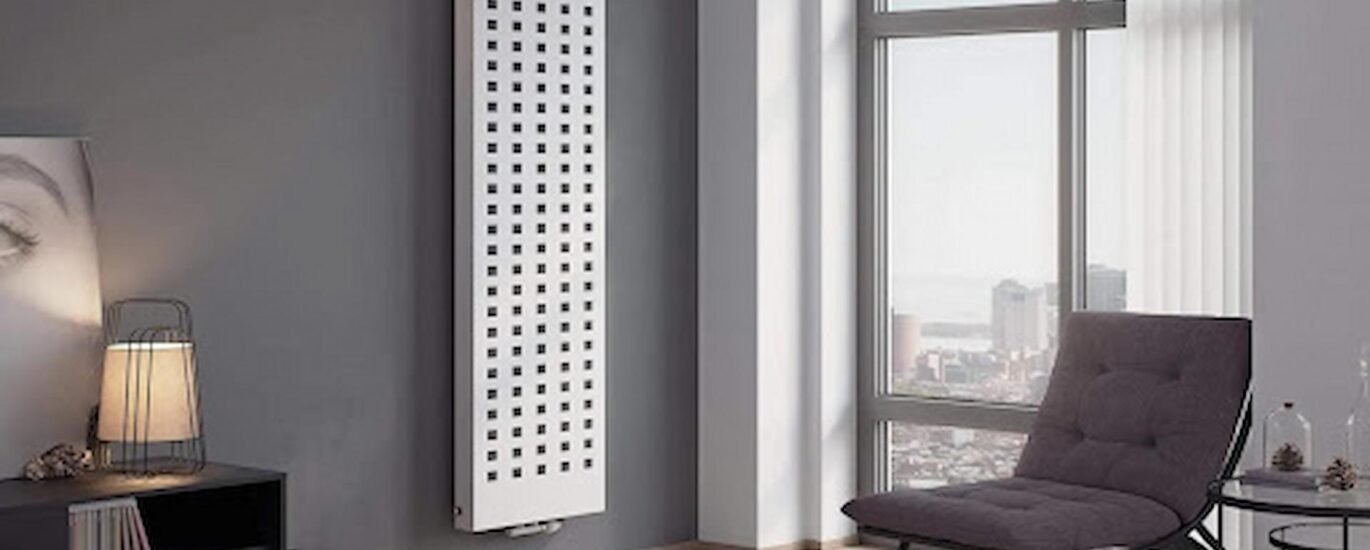
Why hide your radiator when it could be the star of the room? Designer radiators are transforming everyday heating into a bold style statement, showing that functionality doesn’t have to be boring. With sleek lines, striking shapes, and finishes that complement any décor, they turn ordinary walls into eye-catching features that make a room feel both warm and undeniably modern.
Interior design now demands that every element combines practicality with style, and heating is no exception. Premium designer radiators transform ordinary walls into design features, offering tailored shapes, finishes, and sizes that suit everything from sleek urban apartments to bold, statement-filled homes. More than just a source of warmth, they enhance spatial flow, elevate aesthetics, and support sustainable living, making them an indispensable choice for homeowners, architects, and interior designers alike.
Why Heating Has Become a Design Element
Modern interiors prioritise clean lines, open layouts, and purposeful details. Traditional heating systems often disrupted these principles, forcing compromises in furniture placement and wall design. Designer radiators address this challenge by integrating heating into the visual language of the room.
They allow heating to be:
- Seen as a feature rather than concealed
- Aligned with architectural intent
- Adaptable to contemporary layouts
This shift reflects a broader trend where practical elements are expected to complement, not compete with, interior design.
The Visual Impact of Designer Radiators
Designer radiators influence how a room is perceived, from proportions to focal points. Their finishes, shapes, and profiles can subtly reinforce or boldly define an interior style.
1. Enhancing Minimalist Spaces
In minimalist interiors, every element must earn its place. Slim-profile radiators with smooth finishes support uncluttered environments without drawing unnecessary attention.
2. Adding Character to Neutral Rooms
In neutral spaces, a sculptural radiator can provide contrast and depth, preventing the room from feeling flat or unfinished.
3. Supporting Architectural Features
Radiators designed for vertical or horizontal installation can echo architectural lines, reinforcing balance and symmetry within the space.
Materials, Finishes, and Design Flexibility
One of the defining strengths of designer radiators is their versatility in materials and finishes, allowing them to integrate seamlessly into varied design schemes.
-
Colour Coordination
Radiators are no longer limited to white. Contemporary options allow coordination with walls, cabinetry, or feature accents, supporting cohesive design palettes.
-
Texture and Surface Appeal
Smooth, matte, or subtly textured finishes influence how light interacts with the radiator, adding depth without visual clutter.
-
Shape and Form
Flat panels, curved designs, and geometric forms enable designers to match radiators with both modern and transitional interiors.
-
Space Planning and Layout Advantages
Efficient use of space is a cornerstone of contemporary design. Designer radiators support this by offering flexible placement options that work with modern layouts.
1. Vertical Installation Benefits
Vertical radiators maximise wall height, freeing up horizontal space for furniture, storage, or artwork.
2. Compact Designs for Smaller Rooms
Slim designs allow effective heating without overwhelming compact interiors such as hallways, kitchens, or en-suite bathrooms.
3. Improved Furniture Placement
By reducing reliance on long wall-mounted units, designers gain more freedom to arrange seating and storage logically.
Energy Efficiency and Modern Living
Sustainability is a growing priority in interior design, influencing material choices and energy consumption. Designer radiators contribute to this shift through improved performance and efficiency.
- Faster Heat Response
Modern radiator designs heat up efficiently, reducing the time and energy needed to reach comfortable temperatures.
- Compatibility with Efficient Systems
Many designer radiators are well-suited to contemporary heating systems, supporting lower energy use without compromising comfort.
-
Supporting Sustainable Design Goals
By combining efficiency with durability, these radiators align with long-term sustainability strategies in residential and commercial interiors.
Integration with Contemporary Design Styles
Designer radiators adapt easily to a wide range of interior styles, making them suitable for diverse projects.
Modern and Minimalist
Clean lines and understated finishes complement open-plan living and restrained colour schemes.
Industrial and Urban
Bolder forms and darker finishes can reinforce industrial aesthetics without overpowering the space.
Transitional Interiors
Balanced designs bridge traditional comfort with modern simplicity, supporting flexible, timeless interiors.
Practical Design Tips for Choosing the Right Radiator
Selecting the right radiator requires balancing aesthetics with performance. These considerations help ensure design cohesion and comfort.
1. Assess Room Proportions
Choose radiator sizes that suit wall dimensions and ceiling height to maintain visual balance.
2. Match Finish to Interior Palette
Select colours and finishes that complement existing materials rather than competing with them.
3. Prioritise Heat Output Needs
Ensure the radiator provides sufficient warmth for the room’s size and usage while fitting the design vision.
The Mid-Design Value of Designer Radiators
At the heart of contemporary interiors, premium designer radiators serve as both functional necessities and design assets. They help unify visual themes, improve spatial efficiency, and support sustainable living goals. By considering heating early in the design process, interiors achieve greater cohesion and long-term comfort.
The Future of Heating in Interior Design
As interior design continues to evolve, heating solutions will remain integral to the overall aesthetic and functional narrative. Designer radiators are likely to become even more refined, focusing on adaptability, efficiency, and seamless integration.
Future-focused interiors will increasingly view heating as:
- A visible design component
- A contributor to energy-conscious living
- A tool for spatial optimisation
This reinforces their role as essential elements rather than afterthoughts.
Conclusion
Designer radiators have redefined how heating fits within modern interiors. They bridge the gap between comfort and creativity, allowing spaces to remain warm without sacrificing style. Through thoughtful design, flexible placement, and efficient performance, they support contemporary living requirements while enhancing visual harmony. When chosen carefully, they contribute to cleaner layouts, better energy use, and stronger design coherence. Ultimately, premium designer radiators demonstrate that practical elements can elevate interior design rather than limit it. By integrating heating into the design process from the outset, interiors achieve a more balanced, purposeful, and future-ready outcome that aligns comfort with aesthetics.