Severe storms can turn a dependable roof into a serious household problem within minutes. High winds, heavy rain, hail, and flying debris can damage shingles, flashing, gutters, vents, and structural components, leaving homes vulnerable to leaks and further deterioration. Prompt professional attention helps limit the damage and protects the interior of the property. Clearwater homeowners benefit from understanding what happens after a storm, how emergency roof repairs are prioritized, and why professional inspections matter. Knowing the process can make it easier to respond quickly, document damage, and restore a roof safely.
After a major weather event, homeowners often need a roofing contractor Clearwater FL property owners can trust to assess the roof and recommend appropriate repairs. Professional roofers begin by evaluating visible and less obvious signs of storm damage. They may inspect shingles for missing, cracked, lifted, or bruised areas, check flashing around chimneys and vents, and look for damaged gutters or exposed roofing materials. A qualified inspection helps determine whether the issue requires a temporary emergency repair, localized replacement, or more extensive roof restoration.
The First Response After a Storm
Safety is the priority. Homeowners should avoid climbing onto a damaged roof, particularly when surfaces are wet or structural damage may be present. Instead, a professional roofer can assess accessible areas from the ground and use appropriate inspection methods to identify potential hazards.
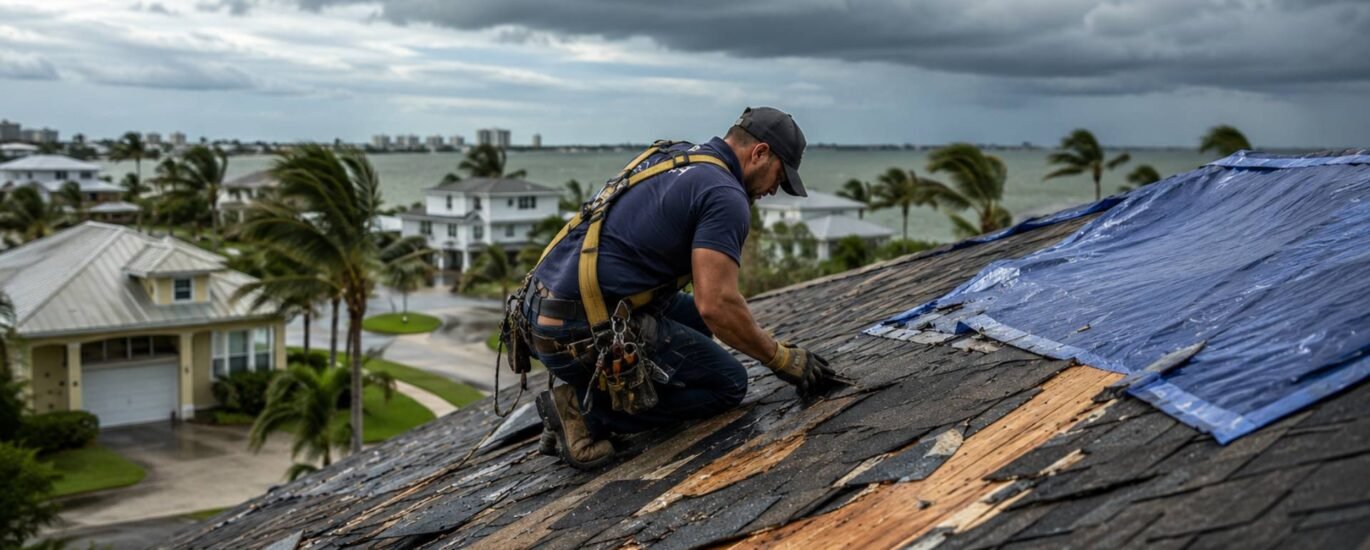
Emergency roofers typically focus on stopping active water intrusion before completing permanent repairs. If rain is entering through damaged roofing materials, they may install a temporary tarp or protective covering. They can also address exposed sections that could allow additional moisture into the attic and living spaces.
What Roofers Look For
A storm inspection usually covers several important areas:
- Missing, torn, cracked, or lifted shingles
- Hail impacts and granule loss
- Damaged flashing around roof penetrations
- Leaks, water stains, or damp insulation in the attic
- Broken vents, skylights, and pipe boots
- Clogged or damaged gutters and downspouts
- Signs of wind-driven debris impact
- Sagging areas that could indicate structural problems
This broad inspection is important because storm damage is not always obvious from ground level. A roof may appear intact while water has entered beneath shingles or flashing.
How Emergency Roof Repairs Are Prioritized
Professional roofers generally prioritize repairs according to the immediate risk to the home. An active roof leak, exposed decking, or significant structural concern requires faster attention than cosmetic damage.
For example, a missing section of shingles can expose underlayment and roof decking to rain. A damaged flashing joint can create a persistent leak around a chimney or vent. Addressing these points quickly can reduce the likelihood of wet insulation, ceiling damage, mold growth, and costly interior repairs.
A roofing contractor Clearwater FL homeowners hire after a storm may first stabilize the property before scheduling permanent work. Temporary measures can provide short-term protection while materials are sourced and a complete repair plan is prepared.
Why Local Storm Experience Matters
Clearwater’s coastal environment presents specific roofing challenges. Strong winds and heavy rainfall can place significant stress on roofing systems, while moisture can accelerate deterioration in vulnerable areas. Local roofing professionals are familiar with common storm-related problems and can account for factors such as roof age, material type, ventilation, flashing condition, and previous repairs.
Experience also helps roofers distinguish between damage caused by a recent storm and pre-existing wear. This distinction is particularly useful for homeowners documenting an insurance claim. A professional inspection report, photographs, repair estimates, and records of the roof’s condition can provide useful supporting documentation.
Insurance and Storm Damage Documentation
Homeowners should document damage as soon as it is safe to do so. Photos and videos of affected areas can establish what occurred after the storm. However, homeowners should not perform dangerous roof inspections themselves.
Roofing professionals can provide detailed documentation showing damaged materials and recommended repairs. Insurance policies vary, so property owners should review their coverage and contact their insurer regarding claim requirements. A roofer can provide technical information about the damage, but the insurer determines coverage under the applicable policy.
Choosing Between Repair and Replacement
Not every storm-damaged roof needs complete replacement. Localized damage may be repairable if the underlying roof system remains sound. Roof age, material availability, the extent of damage, previous deterioration, and structural condition all influence the decision.
A professional roofer may recommend repair when damage is limited to a small area and surrounding materials remain serviceable. Replacement becomes more appropriate when storm damage is widespread or when the roof has reached the end of its useful service life.
Signs That Immediate Professional Help Is Needed
Contact a roofing professional promptly if you notice:
- Water entering the home
- Large sections of missing shingles
- Visible holes or exposed decking
- Ceiling stains appearing after rainfall
- Sagging roof areas
- Damaged flashing or vents
- Debris that has struck the roof
- Severe gutter or downspout damage
Prompt action can prevent a relatively contained roofing problem from becoming a larger structural or interior repair.
Building a Stronger Recovery Plan
Once emergency concerns are controlled, the roofer can develop a permanent repair strategy. This may involve replacing damaged shingles, repairing flashing, restoring ventilation components, replacing sections of decking, or installing a new roof if necessary.
Quality workmanship matters because storm repairs must restore the roof’s ability to resist wind and shed water. Professionals should use compatible materials, follow manufacturer installation requirements, and comply with applicable local building requirements. Homeowners should also receive clear information about the recommended work, materials, estimated costs, and warranty coverage.
A Safer Path After Severe Weather
Storm damage can feel urgent, but a structured response makes recovery more manageable. Clearwater roofing professionals help homeowners identify damage, protect vulnerable areas, document conditions, and determine whether repairs or replacement are appropriate. Acting quickly after severe weather can reduce secondary water damage and preserve the roof’s remaining service life. Professional inspections also provide valuable technical insight that homeowners may not obtain from a visual check alone. By choosing experienced local roofing help and addressing problems promptly, property owners can restore protection, safety, and confidence after a storm.