When severe weather is in the forecast, most homeowners think about securing windows, clearing outdoor furniture, and checking the roof. Yet one of the biggest threats may be below ground. Basements can be especially vulnerable to heavy rain, groundwater, drainage problems, and power interruptions. Understanding the role of sump pumps for basement protection can help homeowners identify weaknesses before a storm turns a manageable problem into expensive water damage.
Basement flooding does not always happen because of a dramatic plumbing failure. In many cases, several smaller issues combine during a major storm. A clogged drain, saturated soil, failed pump, or overloaded drainage system can quickly allow water to enter a basement. Knowing what to watch for is an important part of preparing a home for severe weather.
Poor Yard Drainage Can Push Water Toward the Foundation
The ground surrounding a home plays an important role in basement protection. Ideally, rainwater should flow away from the foundation rather than collect beside it.
If the soil slopes toward the house, heavy rainfall can create pools of water near foundation walls. Over time, that water can find small cracks, joints, or other vulnerable areas and make its way inside.
Gutters and downspouts also deserve attention. When gutters are full of leaves and debris, rainwater may overflow instead of moving through the drainage system. Downspouts that discharge too close to the foundation can create another problem by concentrating large amounts of water in one area.
Before storm season, homeowners should check that gutters are clear and that downspouts direct water several feet away from the foundation whenever possible.
Foundation Cracks Can Become Bigger Problems
Small cracks in basement walls or floors may not seem urgent during dry weather. Heavy rainfall can change that quickly.
Water naturally looks for paths of least resistance. Existing cracks, gaps around pipes, and deteriorating joints can provide an entry point when the soil around a foundation becomes saturated.
Not every crack means a home has a serious structural problem. However, unexplained changes such as widening cracks, recurring dampness, or water appearing in previously dry areas should not be ignored.
A professional inspection can help determine whether a crack is primarily a moisture concern or something that requires more extensive attention.
A Sump Pump Can Fail When You Need It Most
A sump pump is designed to remove accumulated water from a sump basin and move it away from the home. The challenge is that the system may sit unused for long periods, only to become essential during the heaviest rainfall of the year.
That makes routine testing particularly important.
Homeowners should check whether the pump activates properly when water enters the basin. The discharge line should also be inspected for blockages, freezing, or other problems that could prevent water from being carried away.
Another overlooked concern is electricity. A standard sump pump generally relies on power, so an outage during a severe storm can leave a basement vulnerable precisely when the pump is most needed. Depending on the home and local conditions, homeowners may want to discuss backup options with a qualified professional.
Clogged Drains Can Slow Emergency Water Removal
Basement floor drains are easy to overlook because they are rarely part of everyday household routines. Yet they can become important during heavy rainfall or plumbing emergencies.
Debris, sediment, and buildup can restrict drainage and slow the removal of water. A drain that appears functional under normal conditions may struggle when large amounts of water arrive within a short period.
Before major storms, homeowners should check accessible basement drains and remove visible debris. If a drain repeatedly backs up or drains slowly, professional attention may be appropriate.
Washing Machines and Water Heaters Add Another Risk
Not every basement flood comes from outside.
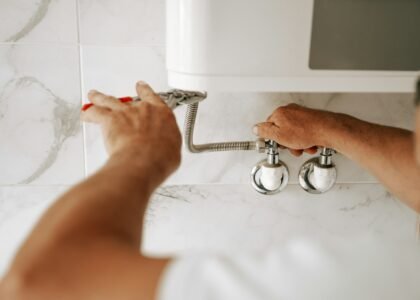
Appliances located in basements can also create substantial water damage if a supply line, valve, tank, or connection fails. Washing machines use pressurized water lines, while traditional water heaters can eventually develop leaks as they age.
Because these appliances are often positioned in finished basements, a failure can damage flooring, drywall, furniture, and stored belongings.
Homeowners should periodically inspect visible hoses and connections for signs of deterioration, corrosion, or leaking. Replacing aging components before they fail can be far less disruptive than dealing with an emergency.
Stored Belongings Can Make Flood Damage Worse
The amount of damage caused by basement flooding often depends partly on what is stored there.
Important documents, electronics, photographs, furniture, clothing, and other valuables can be particularly vulnerable to water. Cardboard boxes placed directly on the floor are another common problem because they can absorb water quickly.
Consider storing important belongings in waterproof containers and keeping valuable items on shelves or raised surfaces. Even a few inches of elevation can provide additional protection when water enters unexpectedly.
Storm Preparation Should Happen Before the Forecast Changes
Waiting until a storm is approaching can leave homeowners with limited time to identify problems.
A better approach is to inspect the basement and exterior drainage system well before severe weather arrives. Look for standing water, foundation cracks, blocked gutters, damaged discharge lines, slow drains, and signs of previous moisture intrusion.
It is also worth knowing where the home’s main water shutoff is located. In an emergency, being able to quickly stop the household water supply can reduce damage from an interior plumbing failure.
For homes that have experienced flooding before, reviewing previous problem areas can be especially useful. Past water intrusion often provides clues about where future vulnerabilities may exist.
Conclusion
Basement flooding is not always predictable, but many contributing risks can be identified ahead of time. Exterior drainage, foundation condition, sump equipment, basement drains, appliances, and stored belongings all deserve attention before major storms arrive.
The goal is not to eliminate every possible source of water. Instead, effective preparation is about finding weak points early and addressing them before heavy rain or a power outage puts the home under pressure.
A few preventive checks can make a significant difference. By treating basement flood preparation as a regular part of home maintenance rather than a last-minute storm task, homeowners can be better positioned to protect their property when severe weather arrives.