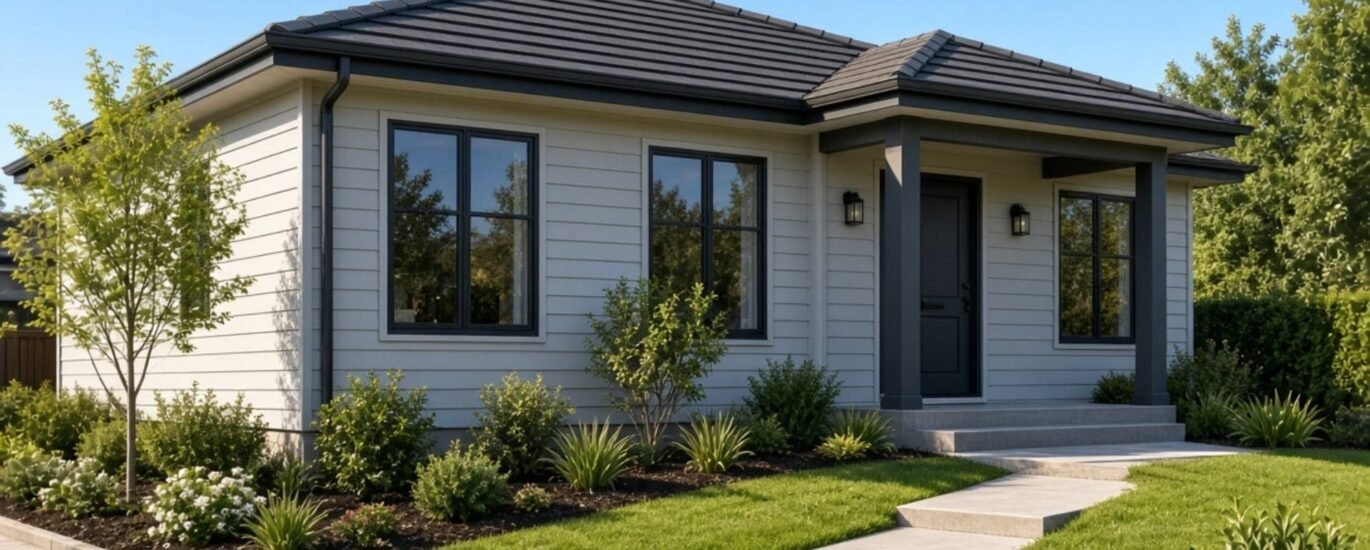
Your home’s exterior does more than create kerb appeal. It forms the first line of defence against weather, wear, and unwanted attention. Small upgrades and regular maintenance can prevent costly damage, keep moisture out, and help the property hold its value over time.
Protective exterior work is rarely about dramatic makeovers. It is about choosing practical improvements that stand up to rain, wind, sun, and the daily stresses of outdoor life. The right choices give peace of mind and reduce the chance of bigger problems later.
Start with the Roof
The roof takes the brunt of every storm. Missing or damaged tiles, worn flashing, and blocked valleys allow water to seep in and cause hidden harm. Checking the roof after heavy weather and arranging timely repairs stops minor issues from becoming major ones.
When replacement becomes necessary, modern materials offer better durability and energy performance than older options. A well-maintained roof also improves insulation, which helps regulate indoor temperatures and lowers energy use.
Siding and Cladding That Stand Up to the Elements
Exterior walls need a solid barrier against rain and temperature swings. Cracked render, warped boards, or failing seals let water and cold air inside. Refreshing or replacing siding with weather-resistant materials keeps the structure dry and stable.
Brick, fibre-cement, and quality timber treatments each have strengths. The best choice depends on your local climate and the style of the house. Proper installation and occasional cleaning extend the life of any cladding system.
Gutters, Downpipes and Drainage
Water that cannot drain away becomes a problem quickly. Overflowing gutters and poorly directed downpipes soak foundations, stain walls, and encourage damp. Clearing debris twice a year and ensuring downpipes lead water well away from the building makes a noticeable difference.
In areas with heavy rainfall, adding extra drainage channels or French drains around the perimeter gives further protection. Simple ground grading that slopes away from the house also helps keep moisture at bay.
Windows, Doors and Seals
Drafts and leaks often start at openings. Worn weatherstripping, cracked seals, and damaged frames allow water and air to enter. Replacing tired seals and upgrading to more robust windows and exterior doors improves both comfort and security.
Look for units with strong frames and good locking systems. Properly fitted external doors and windows reduce the risk of forced entry while keeping the weather outside where it belongs.
Landscaping That Works for Protection
Thoughtful planting and hard landscaping support the building rather than undermine it. Trees planted too close can damage foundations or drop debris onto the roof. Overgrown shrubs against walls trap moisture and invite pests.
Keeping plants a sensible distance from the house, maintaining clear paths for air circulation, and using gravel or permeable surfaces near the base of walls all help. Strategic placement of trees can also provide shade that reduces heat stress on siding and roofing.
Security Features Worth Considering
Protection includes deterring unwanted visitors. Motion-sensor lighting, solid locks, and visible cameras make a property less attractive to opportunistic thieves. Reinforced doors and window locks add another practical layer without changing the look of the home dramatically.
These measures work best when combined with good visibility around the property. Trimmed hedges and clear sightlines from the street reduce hiding spots and increase natural surveillance.
A Simple Maintenance Routine
Even the best improvements need ongoing care. A seasonal walk-around helps catch problems early:
- Inspect the roof and gutters after storms
- Check seals around windows and doors
- Clear vegetation from walls and foundations
- Look for cracks in render or paths that channel water toward the house
- Test exterior lights and security devices
Addressing small issues promptly almost always costs less than repairing the damage they cause later.
Frequently Asked Questions
How often should I inspect my home’s exterior?
A thorough check twice a year, ideally in spring and autumn, plus a quick look after severe weather, is usually enough to stay ahead of most problems.
What is the most cost-effective exterior improvement for protection?
Keeping gutters clear and ensuring water drains away from the foundations often delivers the biggest benefit for the least outlay.
Do exterior improvements really help with property value?
Yes. A well-maintained exterior signals that the home has been cared for. Buyers notice solid roofs, intact siding, and good drainage, which can support a stronger sale price and smoother transactions.
Should I prioritise appearance or protection?
Focus on protection first. Attractive finishes matter, but they last longer and perform better when the underlying structure is weather-tight and secure.
Conclusion
Exterior home improvements that protect your property are less about show and more about steady, practical care. A sound roof, solid cladding, effective drainage, reliable openings, and sensible landscaping work together to keep water, wind, and other threats at bay. Adding basic security measures and following a simple maintenance routine completes the picture. These steps preserve the building, reduce unexpected repair bills, and help the home remain comfortable and valuable for years to come.