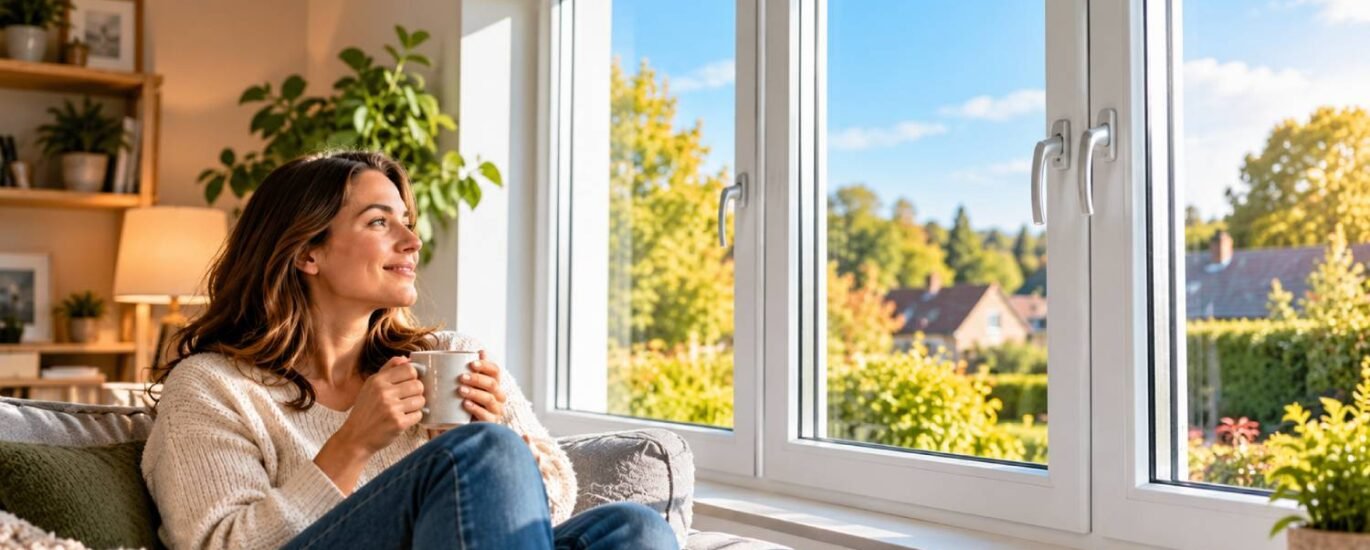
Windows play an important role in maintaining indoor comfort and controlling energy use. Older or poorly performing windows can allow unwanted heat transfer, air leaks, and outdoor noise into living spaces. These problems may make it harder to maintain consistent indoor temperatures, particularly during extreme weather. Replacing outdated windows with modern, energy-efficient alternatives can improve comfort while reducing unnecessary heating and cooling demands.
Choosing suitable windows involves more than selecting an attractive frame or glass design. Homeowners researching replacement windows clearwater fl should consider insulation performance, frame materials, glass options, and installation quality. Understanding these factors helps ensure that new windows suit the home’s needs, local climate, and long-term efficiency goals.
Better Indoor Temperature Control
Older windows with single-pane glass or damaged seals often provide limited protection against outdoor temperatures. During warmer months, heat entering through windows can increase indoor temperatures and place additional demand on air conditioning equipment. In colder conditions, poorly insulated windows can allow indoor heat to escape, creating uncomfortable areas near the glass.
Energy-efficient replacement windows can reduce unwanted heat transfer through improved glazing and insulated frames. Double-pane windows, low-emissivity coatings, and suitable spacer systems help manage heat movement. Homeowners comparing replacement windows clearwater fl should examine window performance ratings and select products appropriate for warm, humid climates rather than focusing on appearance alone.
Reduced Air Leaks and Drafts
Air leakage around windows can make indoor temperatures difficult to control. Damaged weatherstripping, deteriorating frames, and gaps between window components may allow conditioned air to escape while outdoor air enters. These issues can create noticeable drafts and make certain rooms less comfortable.
Properly installed replacement windows can improve the airtightness of window openings. Quality weatherstripping, appropriate sealing materials, and careful installation help limit uncontrolled airflow. However, windows are only one part of a home’s building envelope, so other sources of air leakage may also require attention.
Lower Heating and Cooling Demands
Heating and cooling systems use energy to maintain comfortable indoor temperatures. When windows allow excessive heat transfer, HVAC equipment may need to operate longer to compensate. This can increase energy consumption, particularly in homes with extensive glazing or windows exposed to strong sunlight.
Modern energy-efficient windows can reduce these demands by limiting heat gain and heat loss. Products with suitable solar heat gain coefficients and U-factor ratings can support better thermal performance. Actual energy savings depend on the existing windows, climate, home insulation, HVAC efficiency, and household usage patterns.
Improved Protection Against Solar Heat
Sunlight entering through windows provides natural illumination, but it can also increase indoor heat levels. Rooms with large west-facing or south-facing windows may experience noticeable temperature changes during sunny periods. Excessive solar heat gain can make these spaces uncomfortable and increase cooling requirements.
Low-emissivity glass coatings can help control solar heat gain while allowing useful daylight indoors. The appropriate coating depends on the climate and window orientation. Combining efficient glazing with exterior shading, suitable blinds, or curtains can provide additional temperature control without unnecessarily reducing natural light.
Less Outdoor Noise and Greater Comfort
Traffic, neighborhood activities, and outdoor equipment can create unwanted noise inside a home. Older windows with loose frames, gaps, or poorly sealed glass may allow more sound to enter. Persistent outdoor noise can affect everyday activities, relaxation, and sleep quality.
Replacement windows with appropriate glazing and well-sealed frames may reduce some external noise. Laminated glass, different glass thicknesses, and specialized acoustic configurations can improve sound insulation. However, standard double-pane windows do not automatically provide substantial noise reduction, so homeowners should compare acoustic performance specifications when noise control is a priority.
Reduced Condensation and Moisture Problems
Condensation can form when warm, humid indoor air contacts a cooler glass surface. Older windows may experience frequent condensation because their interior glass surfaces become relatively cold. Persistent moisture around window frames can damage finishes and contribute to conditions that encourage mold growth.
Insulated replacement windows can help reduce interior surface condensation by maintaining warmer glass temperatures under suitable conditions. Nevertheless, new windows cannot eliminate moisture problems caused by high indoor humidity, inadequate ventilation, or building leaks. Proper ventilation and humidity management remain essential for maintaining healthy indoor conditions.
Long-Term Performance and Maintenance
Window performance depends on product quality, installation, and ongoing maintenance. Modern frames made from materials such as vinyl, fiberglass, or aluminum offer different durability, insulation, and maintenance characteristics. Selecting suitable materials helps homeowners balance appearance, functionality, and environmental exposure.
Professional installation is equally important because poorly fitted windows can develop leaks, drafts, or operating difficulties. Homeowners should verify product specifications, warranty coverage, and installer qualifications before proceeding. Regular cleaning, seal inspections, and prompt attention to minor problems can help maintain performance over time.
Conclusion
Replacing outdated windows can improve home comfort by reducing unwanted heat transfer, limiting drafts, controlling solar heat gain, and reducing certain sources of outdoor noise. Modern glazing and properly sealed frames may also support improved HVAC efficiency and more consistent indoor temperatures.
The best results come from selecting windows suited to the home’s climate, construction, and individual needs. Comparing energy performance ratings, choosing appropriate materials, and prioritizing professional installation can help homeowners make a practical investment in comfort, efficiency, and long-term window performance.