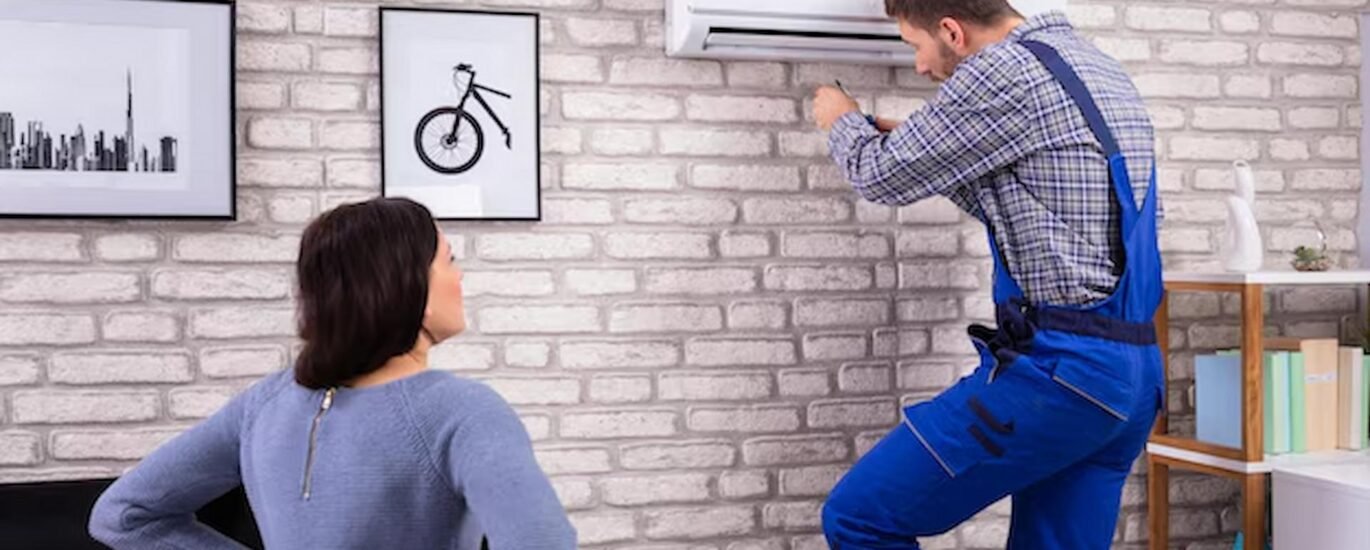
Your heating and cooling system works year-round, but most homeowners only think about it when something goes wrong. A little seasonal attention goes a long way toward keeping your home comfortable and your energy bills under control. Whether you’re dealing with summer heat or winter cold, knowing what to check — and when — can prevent costly repairs down the road. Homeowners who rely on HVAC service in Washington Twp, NJ, understand that proactive maintenance is almost always cheaper than emergency repairs.
Why Seasonal HVAC Maintenance Actually Matters
An HVAC system that isn’t maintained regularly loses efficiency over time. Dirty coils, clogged filters, and worn components force your equipment to work harder to reach the same temperatures. That extra strain shortens the system’s lifespan and drives up monthly utility costs. Most manufacturers also require proof of annual maintenance to honor warranty claims, so skipping tune-ups can cost you in more ways than one.
A well-maintained system runs quieter, cycles less frequently, and maintains more consistent indoor temperatures. For families with allergies or respiratory conditions, clean air handling equipment also means better indoor air quality throughout the year.
Getting Your Cooling System Ready for Summer
Spring is the best time to prep your air conditioner before the heat arrives. Start by replacing or cleaning your air filter — a clogged filter restricts airflow and makes your system work harder. Then head outside and inspect the condenser unit. Clear away any leaves, dirt, or debris that may have collected around the cabinet over winter, and make sure at least two feet of clearance remains on all sides.
What a spring AC tune-up typically includes
- Checking refrigerant levels and inspecting for leaks
- Cleaning the evaporator and condenser coils
- Testing the thermostat calibration and electrical connections
- Lubricating fan motors and inspecting belts
- Verifying proper airflow through the duct system
Running your AC for the first time on a blazing hot day is the worst time to discover a problem. Scheduling a tune-up in late March or April gives you time to address any issues without the urgency of a heat wave.
Preparing Your Heating System Before Cold Weather Arrives
Fall maintenance for your furnace or heat pump follows a similar checklist. Replace the air filter, test the thermostat by switching to heat mode, and listen for any unusual sounds during the first few cycles. If you have a gas furnace, check that the pilot light or igniter is functioning properly and that the burner flame is steady and blue — a yellow or flickering flame can indicate a combustion issue that needs professional attention. Residents who schedule HVAC service in Washington Twp, NJ, before the first cold snap tend to avoid the long wait times that come with peak-season demand.
Don’t Overlook Your Air Filters and Indoor Air Quality
Air filters are one of the most neglected parts of any HVAC system. Depending on the filter type and your home environment, filters should be replaced every one to three months. Homes with pets, high dust levels, or allergy sufferers may need monthly changes. Using a higher-rated MERV filter improves air quality but can also restrict airflow if your system isn’t designed for it, so check your owner’s manual or ask a technician before upgrading.
Beyond filters, consider scheduling a duct inspection if you’ve noticed uneven heating or cooling, increased dust on surfaces, or musty odors coming from your vents. Leaky or dirty ductwork can reduce system efficiency by 20 to 30 percent, and it’s a problem that often goes undetected for years.
Smart Thermostats and Energy-Saving Habits
Upgrading to a programmable or smart thermostat is one of the easiest ways to cut heating and cooling costs. These devices let you set temperature schedules based on your daily routine, so you’re not conditioning an empty house all day. Many models also learn your preferences over time and send maintenance reminders when filter changes are due.
Simple habits make a difference, too. Keeping blinds closed during peak summer afternoon heat, sealing gaps around doors and windows, and making sure supply and return vents aren’t blocked by furniture all reduce the workload on your system without spending a dollar.
When to Call a Professional Instead of DIYing It
Some HVAC tasks are straightforward enough for a confident homeowner — changing filters, cleaning around the outdoor unit, and checking thermostat settings all fall into that category. But anything involving refrigerant, electrical components, heat exchangers, or gas lines should always be handled by a licensed technician. Attempting those repairs without proper training and equipment can void your warranty, create safety hazards, and often make the problem worse.
A good rule of thumb: if the fix requires opening the equipment cabinet or working with the refrigerant circuit, call a pro. Annual maintenance visits are also a good time to ask your technician about the system’s age and condition, especially if it’s more than 10 years old.
Staying Ahead of HVAC Problems Year-Round
Consistent, seasonal attention is the single best thing you can do to extend the life of your heating and cooling equipment. Set a calendar reminder in early spring and again in early fall to run through a basic checklist — filter check, visual inspection, thermostat test, and a quick listen for anything unusual. If anything seems off, schedule a service call before the problem grows. A system that gets regular care runs more efficiently, lasts longer, and gives you one less thing to worry about when the weather turns.